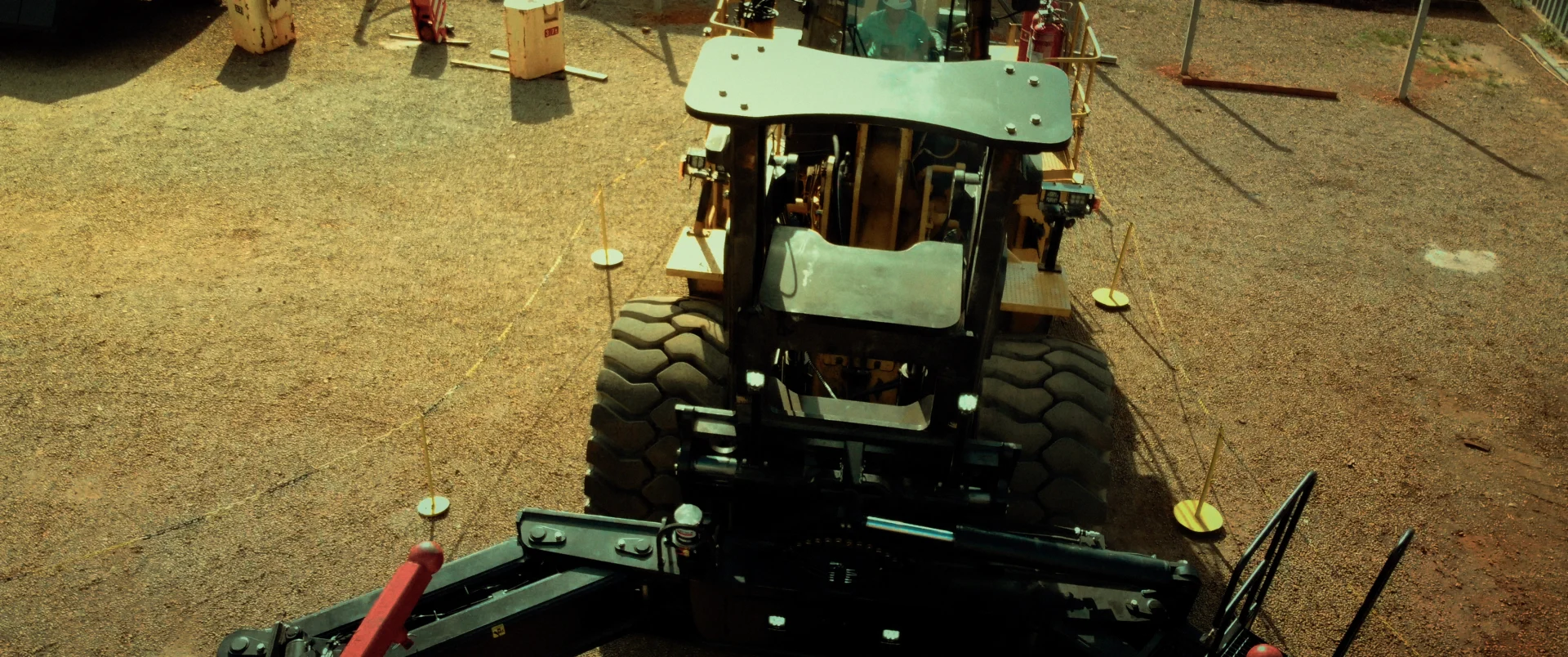
Gonzaga Fitting an OTR tire handler to a tractor

The film is ready to play.

Review preview Copy and footage selection under review

The Culture Code

Internal culture documentary series · i61 Filmes

See how a team works together.

The Culture Code is a documentary series about the stories and behaviors that shape an organization’s culture. i61 follows employees in real situations so that newcomers and existing teams can see how values guide decisions and working relationships.

Talk about a project
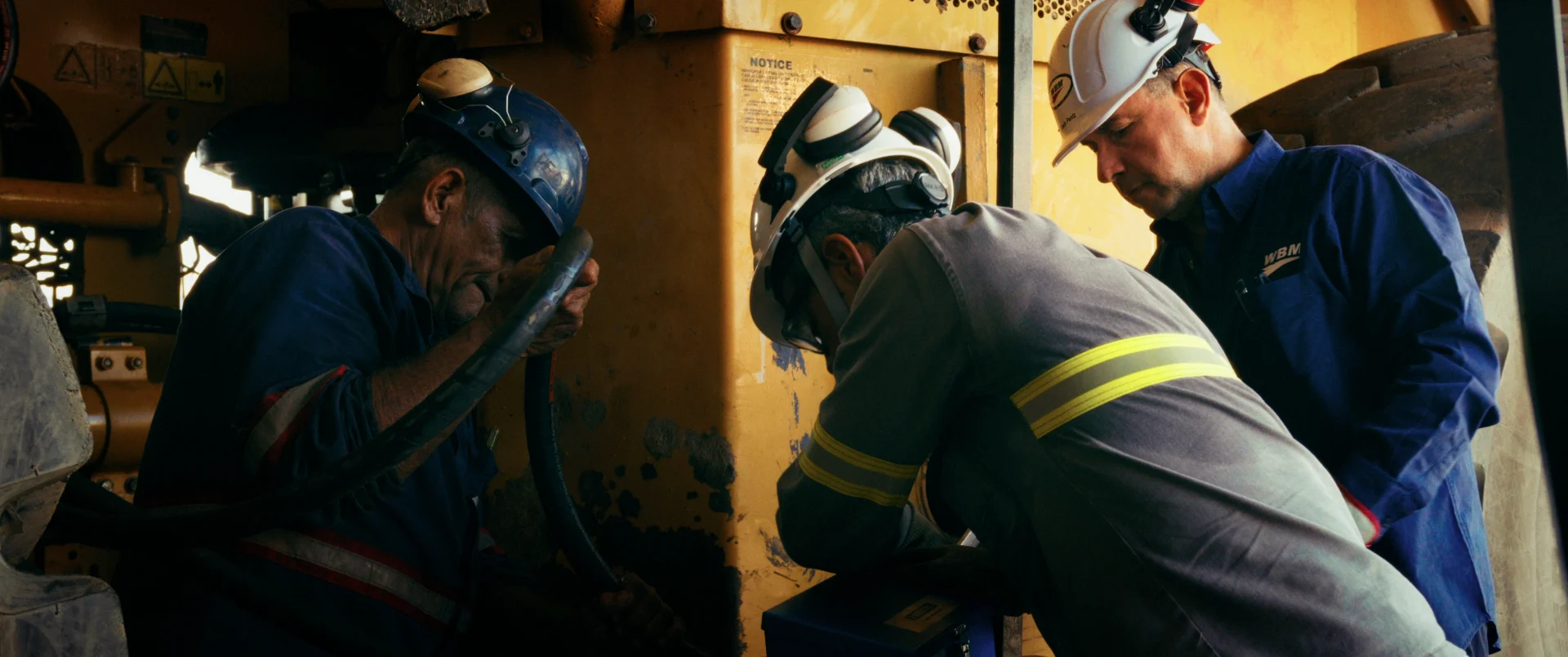
Three technicians focus on the same adjustment in the workshop
Three technicians around the same adjustment.Gonzaga · Visual reference

Gonzaga · Visual reference

Seven ways to observe culture at work.

Gonzaga shows a crew adapting a tractor to fit an OTR tire handler. The scenes below offer a visual reference for the aspects an internal culture series can explore. In a The Culture Code project, employees’ accounts give context to the actions and decisions the camera follows.

Values in action

Care shows in the checks.

An episode can follow a decision and show how a value guides the work in a specific situation.

In Gonzaga, the crew checks the cab. The film cuts between the technicians at work and a close-up of a measuring instrument.
Employees as protagonists

The people doing the work lead the story.

The series begins with the people who know the organization day to day. Employees in different roles tell and show how the work gets done.

The film follows workers at the attachment and on the tractor platform during different stages of the adjustment.

Relationships and teamwork

One maneuver, several tasks.

When a task depends on several people, the camera can follow how they take their positions, guide one another, and adjust their pace.

During the lift, we see the handheld control, the suspended component, and the people positioned around the operation.

Culture under pressure

An adjustment in a tight space.

When a difficulty arises, the series can show what was at stake, what choices the team had, and how it responded.

The clip shows a practical constraint. A worker has to reach the adjustment point from beneath the chassis.

Passing on knowledge

The manual at the center of the conversation.

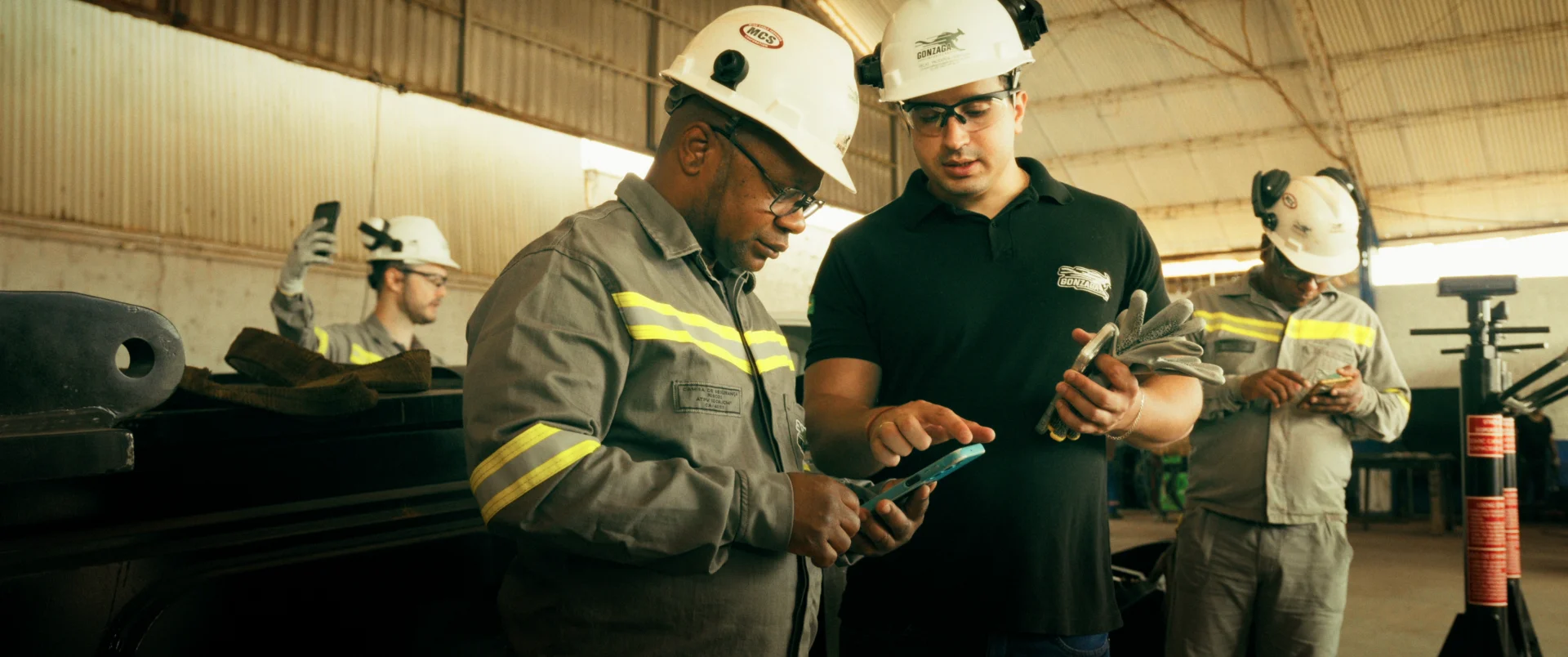
For new employees, watching colleagues consult and share a reference can show how knowledge moves through the workplace.

A technician gestures to colleagues. The group then gathers around the manual, and the camera shows the open page.

Belonging and shared identity

The group gathers around the work.

Belonging can come into view when people describe what connects them to the team and which experiences they now share.

Beside the tire and handler, people gather, watch, and talk. The clip records that moment around the equipment.

Culture beyond one person

The checks pass through several hands.

By following different people and situations, a series can show which practices recur and become shared ways of working.

The crew spreads out around the tractor. The film brings together people pointing out parts of the machine, checking a document, and adjusting a connection.

Excerpts from Gonzaga with the original soundtrack. The film follows the crew’s work through images, without interviews.

The work in motion

Watching the test in the yard.

After the workshop adjustments, the tractor and attachment are tested in the yard. The edit cuts between the moving machine and the technicians watching the operation.

Where the series fits

Stories for the people who make up the organization.

New employee onboarding

Introduce the organization’s way of working in the first few days through recognizable stories and situations.

Leaders and teams

Start conversations about decisions, relationships, and practices the team can discuss in light of its own day-to-day work.

Teams in transition

Create shared reference points when teams start working together, change roles, or go through a merger.

How i61 works

From the first conversations to the series.

i61 identifies situations to follow and listens to people with different perspectives on the work.

A laptop open during the cab inspection

Phase 1 · Research and development

Find the stories the team can tell.

  • Talk with leaders and employees about the organization’s values and where they show up.
  • Identify people, events, and situations the camera can follow.
  • Define the scope of the series, its internal use, and the production plan.
Workers positioned around a suspended component

Phase 2 · Production and finishing

Follow the work up close.

  • Film situations at work and interview the people who took part.
  • Build episodes from actions, first-hand accounts, and relationships.
  • Finish picture and sound, review with the organization, and prepare the versions agreed in the proposal.

Filming reference

Gonzaga. Adapting a tractor.

In Pará, Brazil, i61 filmed the maintenance and adaptation of a tractor to fit the arms of an OTR tire handler. The opening film follows the work from the workshop to the tests in the yard.

An aerial view of the tractor in the yard Three workers in front of the adapted tractor
Filming period
About 30 daysFilming took place on almost every day of the period.
Footage recorded
Over 1,000 takesFilmed at different points and stages of the adaptation.
Editing period
About 30 daysFrom reviewing the footage and selecting clips to final delivery.
Material delivered to the client
About 6 hoursEdited clips of each assembly stage to guide future Gonzaga team members.

What you receive

A short series to watch and discuss.

The reference format is a series of four to six short episodes. Each episode follows a situation that shows how culture takes shape at work.

Main deliverable

Finished documentary series

Edited episodes with finished color and sound, in versions agreed for the internal channels covered by the project.

4 to 6

Short episodes in the reference format.

The proposal can also include

Discussion guide for leaders

Questions to use after each episode to connect the situations on screen to the team’s day-to-day work.

Trailer and clips

Materials to introduce the series through onboarding and internal communications channels.

Series stills

Cover images and stills to accompany the episodes.

Before the first conversation

Questions about The Culture Code.

How can the series be used in onboarding?

Episodes can be part of the first few days, team meetings, or conversations led by managers. We define the use and channels during development.

Who appears in the episodes?

Research identifies employees in different roles and with different levels of experience. The choice depends on which stories and situations help explain how the team works.

How does the series differ from Heróis Reais?

The Culture Code follows several people to reveal an organization’s practices and values. Heróis Reais focuses on an individual professional and the trust they build.

How do you decide on episodes and timelines?

The scope depends on the stories, participants, locations, and intended internal uses. We define the production plan during development.

Let’s talk

What should someone see on their first day with your team?

Tell i61 which situations show how your organization works and who could tell those stories firsthand.

Talk to i61 contato@i61filmes.com.br
A worker examines the inside of the machine using a light
Gonzaga · Visual reference

Gonzaga