Independent story
The arrangement that sparked his curiosity
Elder’s story begins with a discovery he wanted to understand.
He recalls how an arrangement he saw in a magazine led him to look for an ikebana class.


Branded Doc
Sponsored documentary filmmaking · i61 Filmes
i61 develops and produces documentaries about stories of cultural, sporting, and human interest. The brand helps make a film possible because it connects with its subject, and the film takes shape around the people and the world it follows.

Elder Lima · Ikebana
Elder Lima explains how he discovered ikebana and shows what happens between choosing a flower and finishing a piece. The short documentary shows how i61 follows a subject and makes his craft accessible to someone seeing it for the first time.
Independent story
Elder’s story begins with a discovery he wanted to understand.
He recalls how an arrangement he saw in a magazine led him to look for an ikebana class.
Character
His habit of experimenting with plants was already evident in his childhood chores.
Elder remembers pruning the plants and waiting to see how they responded.
Cultural significance
The Japanese practice takes on meaning through the experience of someone who chose it as his craft.
Elder draws parallels between ikebana and other Japanese arts and describes the practice as a path on which he has found himself.
Conflict and process
The tension in the creative process surfaces when the arrangement takes a different shape from the one Elder imagined.
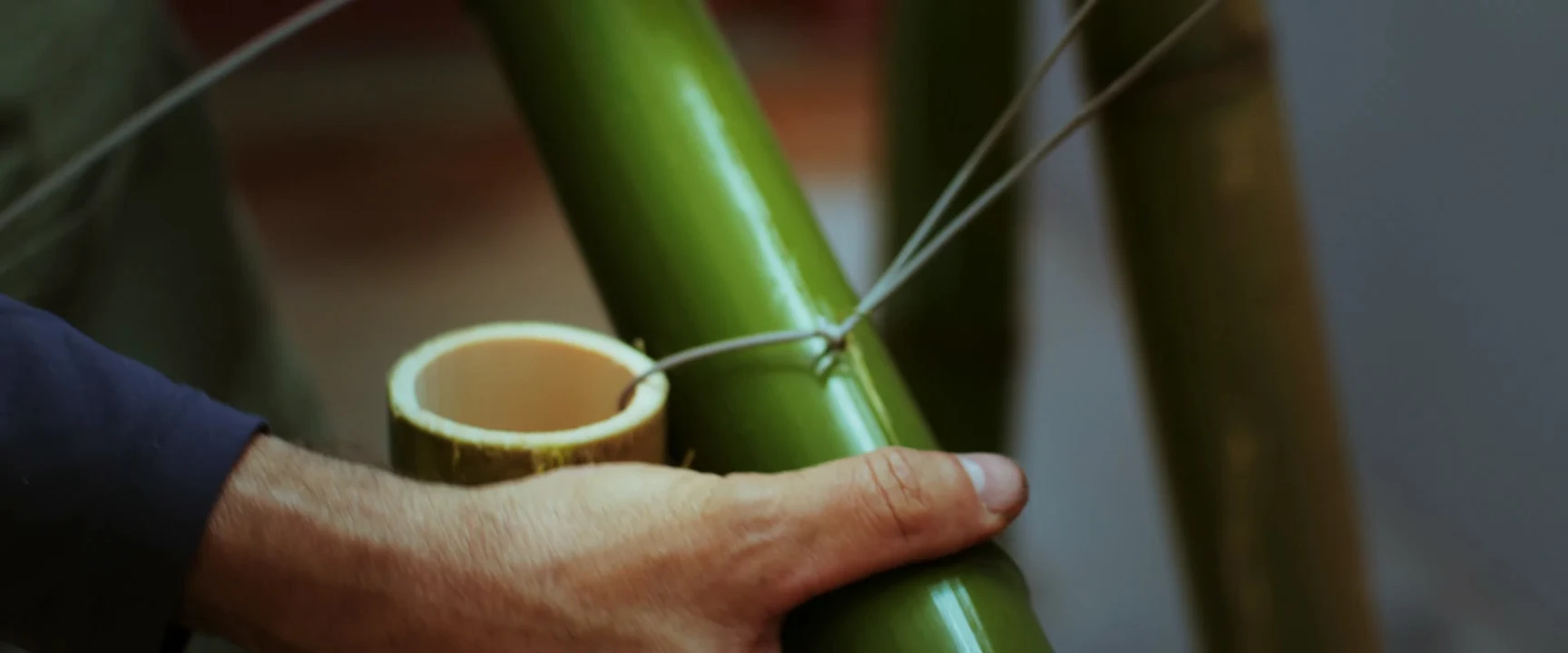
As he works with bamboo and curved stems, he explains how he judges the distance between the idea and the result.
Narrative independence
The artist’s choices drive the scene, from buying the flowers to assembling the piece in the studio.
In this arrangement, Elder uses green bamboo, matchsticks, and flowers in soft colors.
Potential to reach audiences
The final stage of assembly invites the audience to consider what remains of a work made of flowers.
As the piece comes together, Elder reflects on how documenting it preserves the image of the arrangement.
Follow the process
Part of the structure is already in place when Elder goes out to buy the flowers. What he finds at the flower shop changes his choices, and the camera follows how those changes appear in the arrangement.
Images from the film
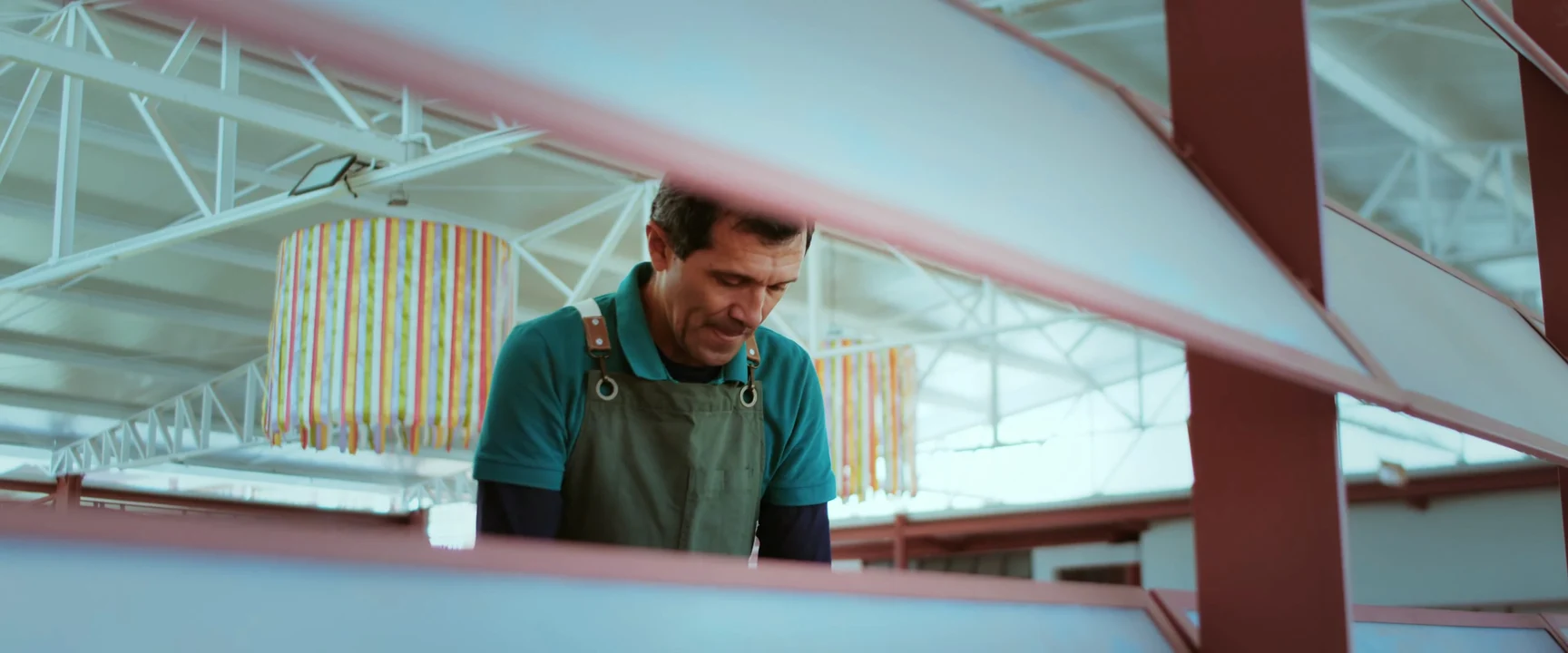
Ten stills show Elder in the flower shop and the studio, from the details of the flowers to the scale of the bamboo structures.
The brand’s role
By supporting the making or release of a film, a brand can put its name behind a story connected to what it does and relevant to the audience it wants to reach.
Research connects subjects that matter to the brand with people and situations that can sustain a film.
The project defines the form of support and how the partnership will be credited in the film and its promotional materials.
The brand can host special screenings and share clips on its own channels. Television, streaming, and festivals are possibilities depending on the nature of the film.
The documentary’s point of view grows out of the people and situations the crew follows in the field. Elder’s choices and his work with the materials drive the film.
How i61 works
i61 researches the story, shapes the project, and follows the world of the film from the first conversation through delivery.
Phase 1 · Research and development
This phase delivers a narrative proposal and a production plan.

Phase 2 · Production and post-production
This phase delivers the finished documentary and the materials agreed for its release.
An example of i61’s documentary approach
Marcelo Simões and Elizabeth Simões followed floral designer Elder Lima from choosing flowers and foliage to assembling the pieces in his studio. The 18-minute documentary shows how Elder’s decisions evolve as the arrangements take shape.

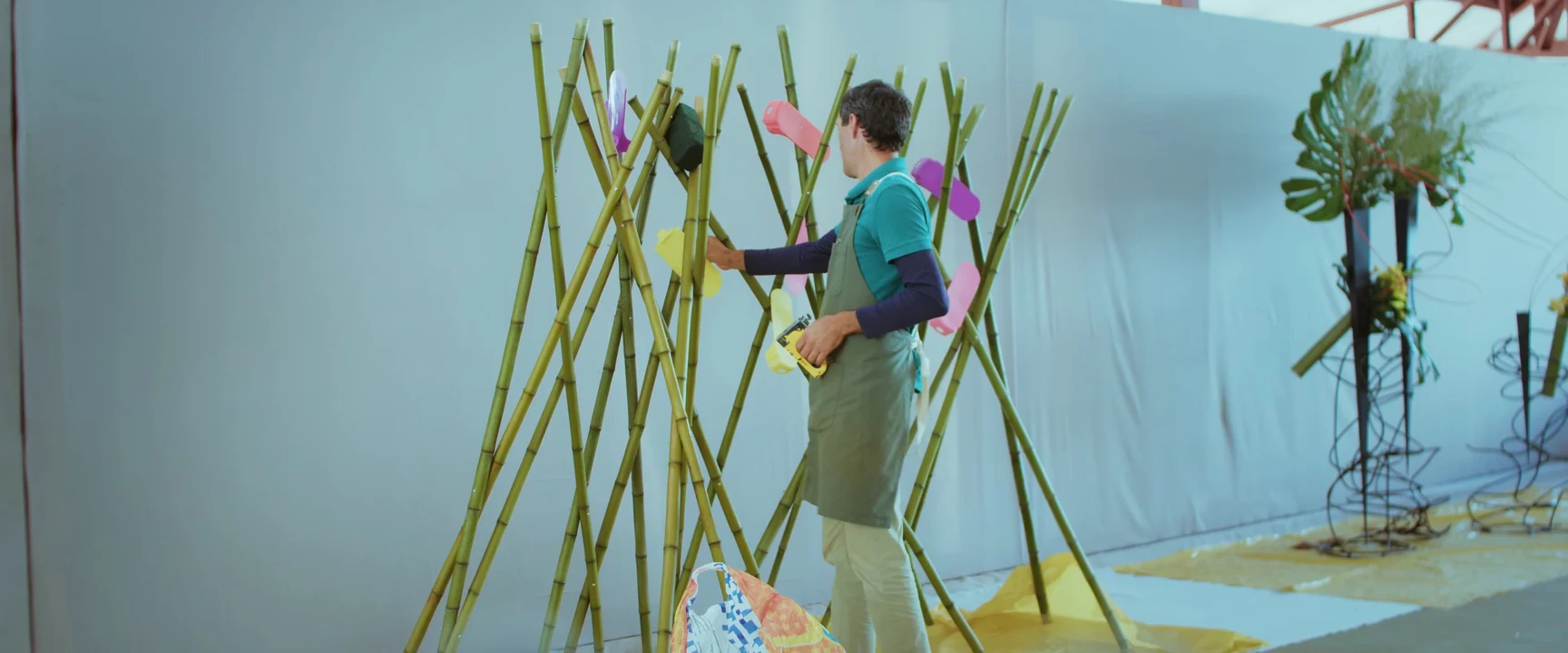
The assembly area at the start of the film and the installation with bamboo, flowers, and color.
Examples of possible partnerships
The school where Elder teaches could help share the film and organize a screening with a demonstration. The documentary could introduce the practice to people interested in discovering ikebana and learning its techniques.
A flower retailer like the large shop shown in the film in Brasília could support the project and share excerpts on its channels. The scenes of Elder choosing flowers and foliage show how the shop’s range of materials can inspire a floral designer’s work.
What you receive
Development defines the format of the film, how it can reach its audience, and which materials will help introduce it.
Main deliverable
A film with finished editing, color, and sound, with screening versions prepared for the channels specified in the project.
Technical specifications tailored to the planned channels for the film.
Before our first conversation
The brand’s presence is defined during development. Its support can be acknowledged in the credits and release materials. When the brand’s involvement is part of the story, it can appear within the narrative.
The conversation begins with the subjects that matter to the brand. Research looks for people, situations, and events that can sustain the film and interest a wider audience.
Special screenings, TV channels, platforms, and festivals are all possibilities. The plan depends on the subject, audience, rights, and exhibition conditions of each project.
Research helps determine how long to follow the story, which locations and crew are needed, and what to deliver. The format and schedule are set based on that scope.
Tell us which subjects make sense for your brand and which audience you want to reach. From there we can discuss a story and how you might support it.
Talk to i61 contato@i61filmes.com.br