Origins
Where a calling begins.
In a Legacy Doc, we return to the experiences that set a life in motion. Places, people and memories help us understand where a calling began.
In Ullysses: Ullysses recalls the doctor he met as a child.



Legacy Doc
The story behind the brand
We turn the lives and histories of founders, families and organizations into cinematic documentaries. Memories, decisions and values to share today and preserve for future generations.
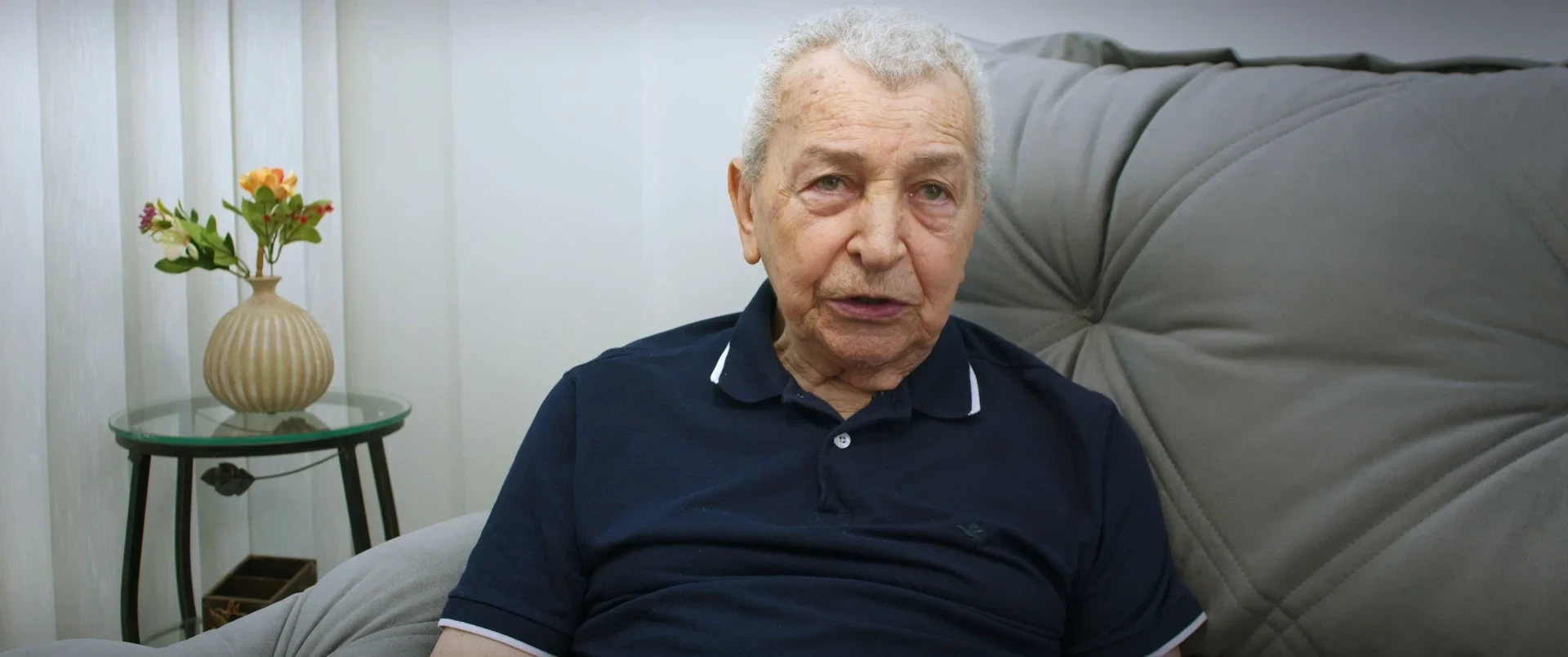
What a Legacy Doc preserves
The beginnings. The challenges and choices. The relationships, the changes and what endures. Explore these dimensions through six excerpts from Ullysses.
Origins
In a Legacy Doc, we return to the experiences that set a life in motion. Places, people and memories help us understand where a calling began.
In Ullysses: Ullysses recalls the doctor he met as a child.
Challenges
A life story gains depth when it includes the difficulties and the people who helped overcome them. A Legacy Doc preserves this part of the story too.
In Ullysses: his son recalls Ullysses's adjustment to university and the support of his professors.
Decisions
A Legacy Doc makes room for the choices that bring people together and carry a life story forward. An invitation to collaborate can mark the beginning of a new story.
In Ullysses: AEP's current leader recalls his first class and Ullysses's invitation.
Emotion
A voice, a pause and the way we speak about someone can reveal the value of a bond. A Legacy Doc makes room for these memories, with the time and sensitivity they deserve.
In Ullysses: his son describes how he honors his father in his Father's Day messages.
Legacy
Preserving a story allows future generations to discover it too. A Legacy Doc brings voices, images and memories together in a film to share today and revisit in the future.
In Ullysses: Ullysses and his son reflect on the documentary and future generations.
Transformation
A Legacy Doc records the lessons that change how someone thinks and acts. Telling a life story also means making room to acknowledge change and share what has been learned.
In Ullysses: Ullysses connects a personal change to the lessons he began sharing.
Selection for review. These six videos are full excerpts from the archive; subtitles and finishing for publication will be addressed during editorial review.
Discover more about Ullysses
The way he listens. The knowledge he shares. The bonds he builds. Different voices reveal the man behind the life story.
In a Legacy Doc, the story is also told by those who shared the journey.
Fragments of a life
Relationships, places and small gestures also tell a life story. Ten moments from the seven episodes of Ullysses.
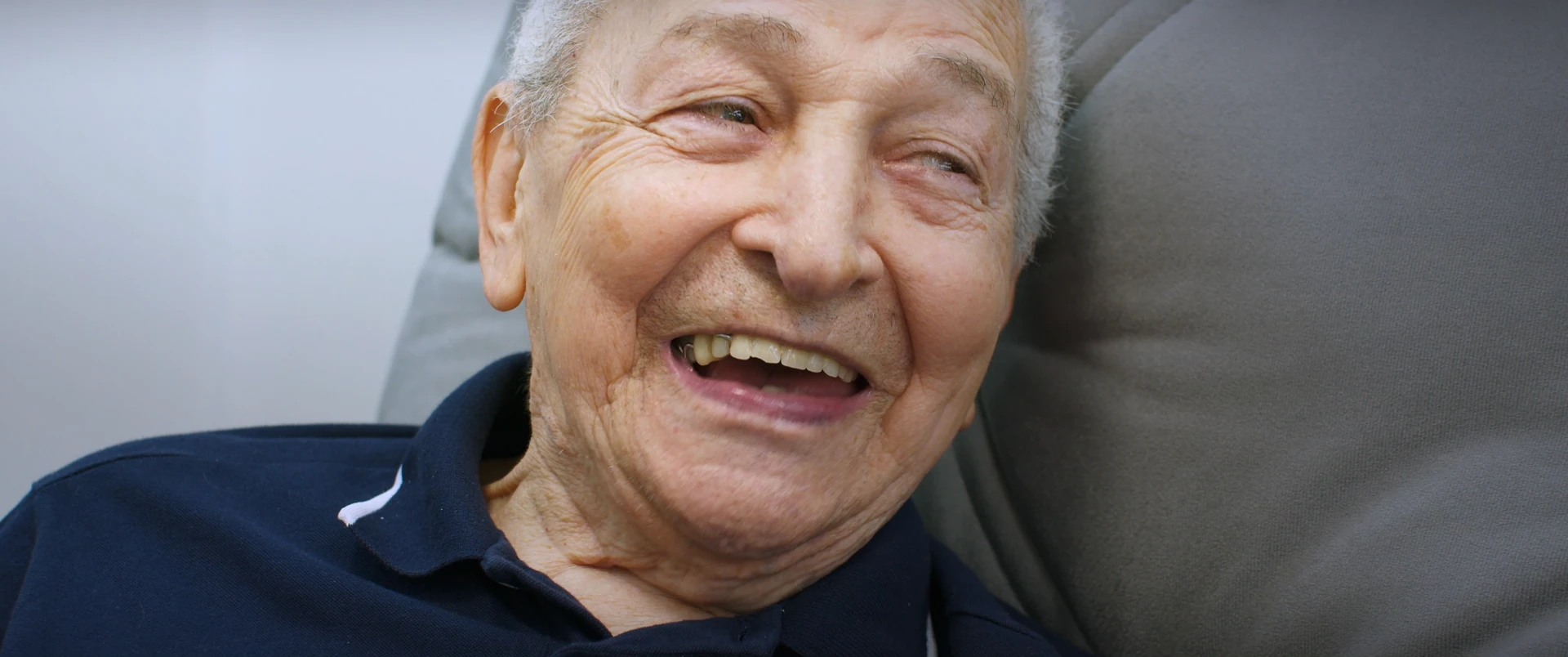
Ten moments. One story.
For those who want to preserve a story
Record the choices, challenges and vision of those who helped build an organization.
Bring voices, photographs and memories together in a story that can be shared across generations.
Put a human face on your history and preserve the contributions of those who were part of it.
The work behind the film
A Legacy Doc involves research, planning, filming and post-production. i61 guides this process, bringing different voices and records together in a documentary narrative.

Phase 1 · Research and development
Outcome of this phase: a narrative proposal and a production plan to guide the project.

Phase 2 · Production and post-production
Outcome of this phase: the finished documentary and the formats agreed for its exhibition.
File organization and backups are part of the production process. Delivery of the original footage, when included, is specified in the proposal.
A project produced by i61
From listening to different people to shaping seven episodes, Ullysses shows the scale a documentary project can achieve.
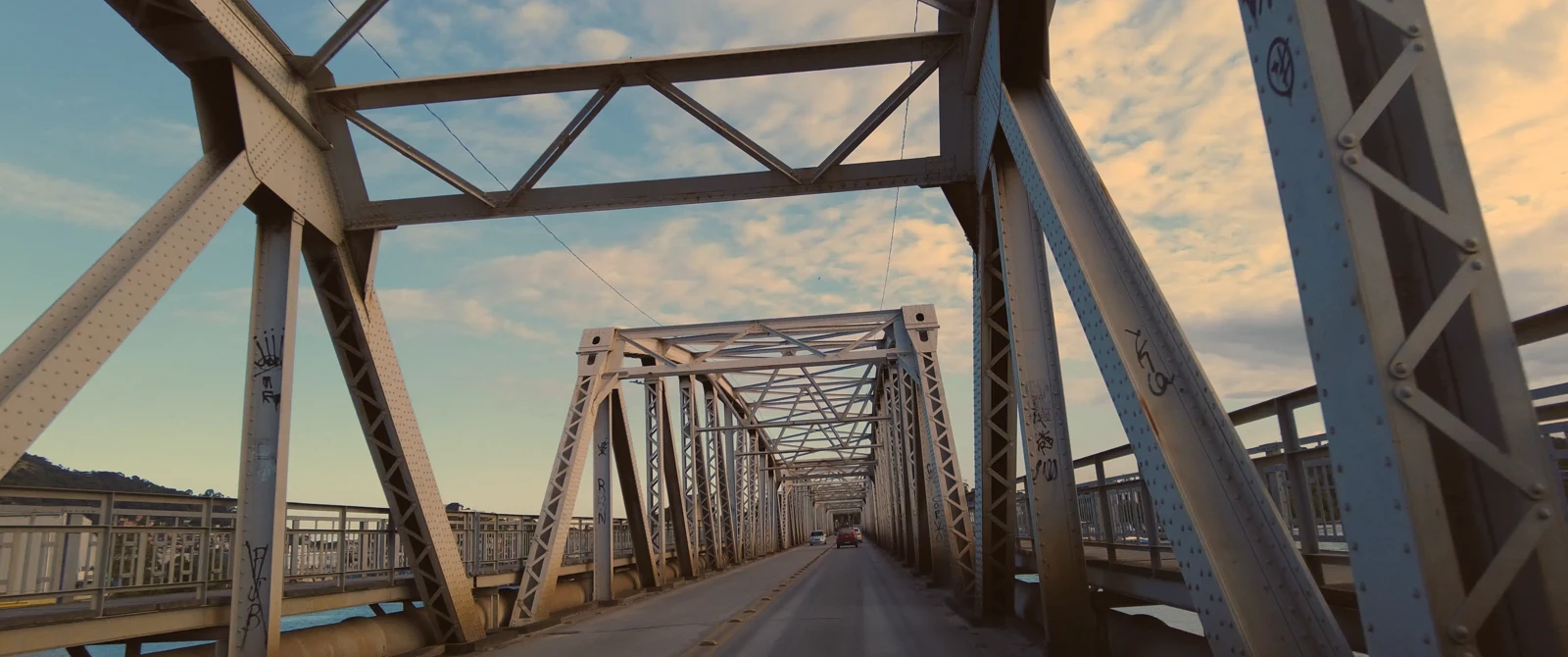
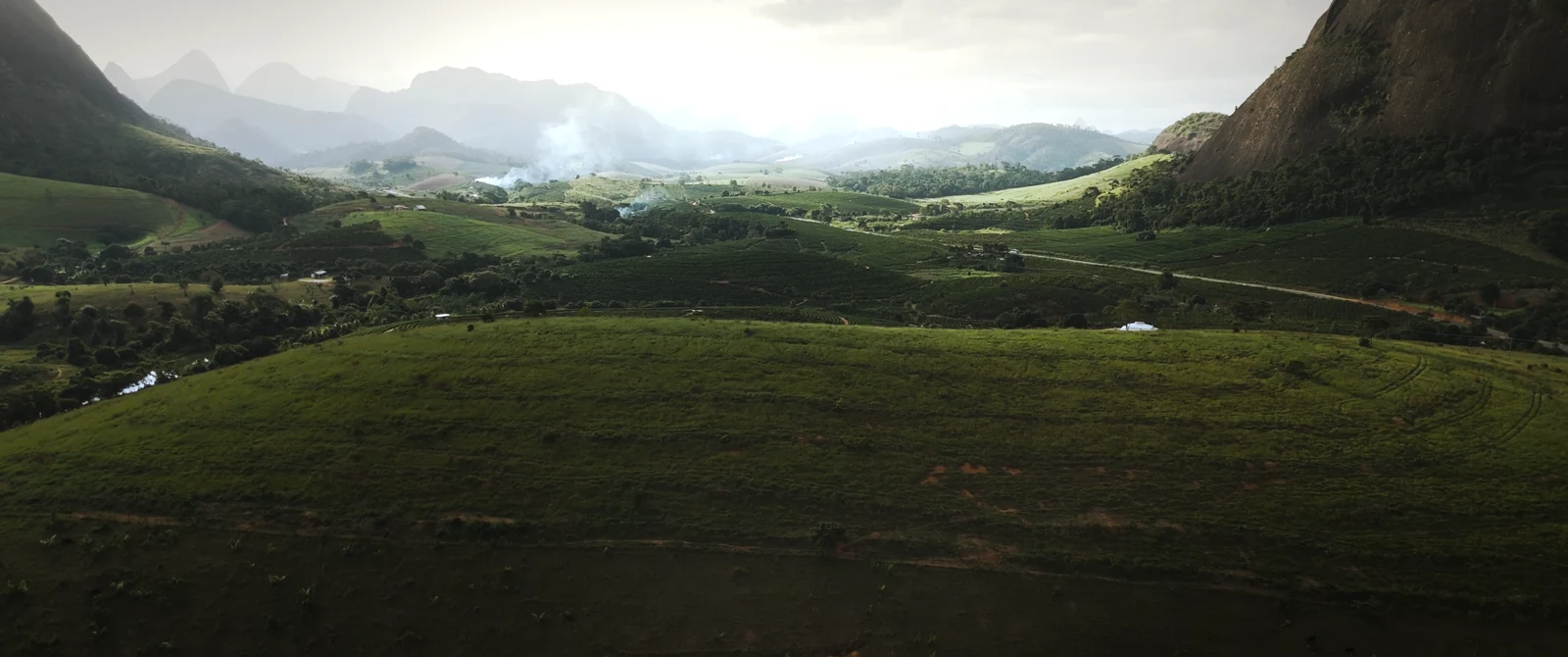
People, memories and places brought together in one narrative. Images from the Ullysses series.
Medium- and feature-length episodes.
Final delivery in MP4 and DCP.
This was the scope of Ullysses. The number of interviews, locations, film or series length, and schedule are tailored to each story.
What you receive
The finished documentary is the core deliverable. Exhibition formats and supporting materials are defined in the project proposal.
Finished documentary · 4K
A narrative bringing together interviews, new footage and archive material, with picture, color and sound finalized. Running time and episode count are defined during development.
A digital file for playback and sharing through the channels agreed for the project.
The scope may also include:
Interviews, locations, schedule, running time, formats, versions and archive contents are specified in the proposal. For Ullysses, final delivery included the series in MP4 and a DCP version.
Before our first conversation
Photographs, documents and videos can enrich the film. During research, we assess the available archive and the possibilities for telling the story through interviews and new footage.
Research helps identify people who know different chapters of the story: relatives, colleagues, collaborators and other voices relevant to the narrative.
Interviews are conducted as conversations. The aim is to make room for real memories and experiences, respecting each person's pace and way of expressing themselves.
No. Research, interviews, locations and archive material shape the running time, format and schedule. The project may be conceived as a standalone film or a series. Ullysses illustrates the scale of that particular production; every new story receives its own scope.
Your story could be our next film.
Tell us a little about your life, your family or your organization. Our first conversation helps us understand what deserves to be recorded.
Talk to i61 contato@i61filmes.com.br