Context
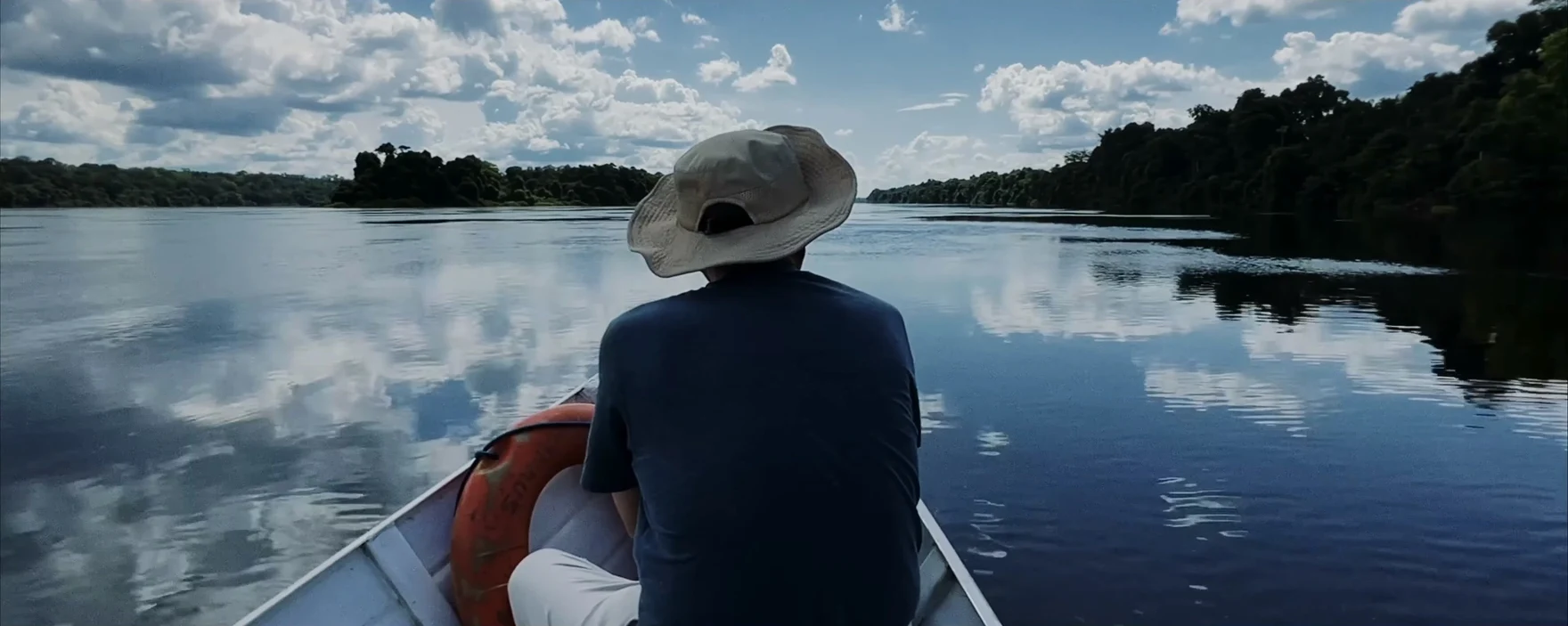
The river sets the route
The river journey gives a sense of the distance the team must cover before reaching the communities.
The scene shows the boat underway and the work on board.


Doc Reality ESG
Documentary series by i61 Filmes
i61 follows social and environmental initiatives in the field. The documentary shows who takes part, how the work unfolds, and which changes can be supported by firsthand accounts, records, and follow-up.

Poranga · Social pillar (S)
In the Amazon, Pastor Kim and a team of volunteers travel by river and through the forest to reach Indigenous communities. Six scenes show the setting, the people, and the work the film follows.
Context
The river journey gives a sense of the distance the team must cover before reaching the communities.
The scene shows the boat underway and the work on board.
Character
Faith and care for others motivate Pastor Kim.
In the excerpt, he explains why he travels with doctors and dentists to provide care in Indigenous communities.
Challenge
The film follows the team’s response when an obstacle brings the journey to a halt.
A log blocks the passage. The team uses a chainsaw and gets into the water to clear the way.
Intervention
Care begins with a conversation with the people who will receive it.
The team introduces the healthcare professionals and explains how vaccination will work. An Indigenous health worker interprets the conversation.
Continuity
Life on board shows how the team lives together during the expedition.
Kim says students from the institute join the trips as part of their training.
Context
Between scenes of the mission, the camera makes room for the community’s daily life.
Community members prepare tapioca by the fire.
The excerpts show what the camera witnessed and include accounts from people who took part. The social outcomes of an initiative call for evidence of their own, such as comparable records or follow-up over time.
Follow the expedition
The team disembarks and carries the motorboats overland before returning to the river. The excerpt follows the maneuver and the work it takes to continue the journey.
Images from Poranga
Ten images follow the journey from the first view of the river to moments of everyday life and the boat’s return.

For teams carrying out work in the field
Show how a social or environmental commitment takes shape on the ground and what can be verified about its outcomes.
Document programs over time by bringing together the voices of those who take part and records from each stage.
Bring visibility to the work in the field, the experience of the communities, and the challenges the initiative faces.
How i61 works
i61 starts by getting to know the initiative, the people, and the setting. That informs what to follow, which sources can support the story, and how to film it.

Phase 1 · Research and development
This phase delivers a narrative proposal and a production plan.

Phase 2 · Production and post-production
This phase delivers the finished series and the materials agreed in the proposal.
A documentary by i61 Filmes · Social pillar (S)
In August 2022, in the state of Amazonas, i61 Filmes director Marcelo Simões accompanied Pastor Kim and a team of volunteers on a healthcare mission. The film records the crossings, the encounters with residents, and the team’s work in Indigenous communities.
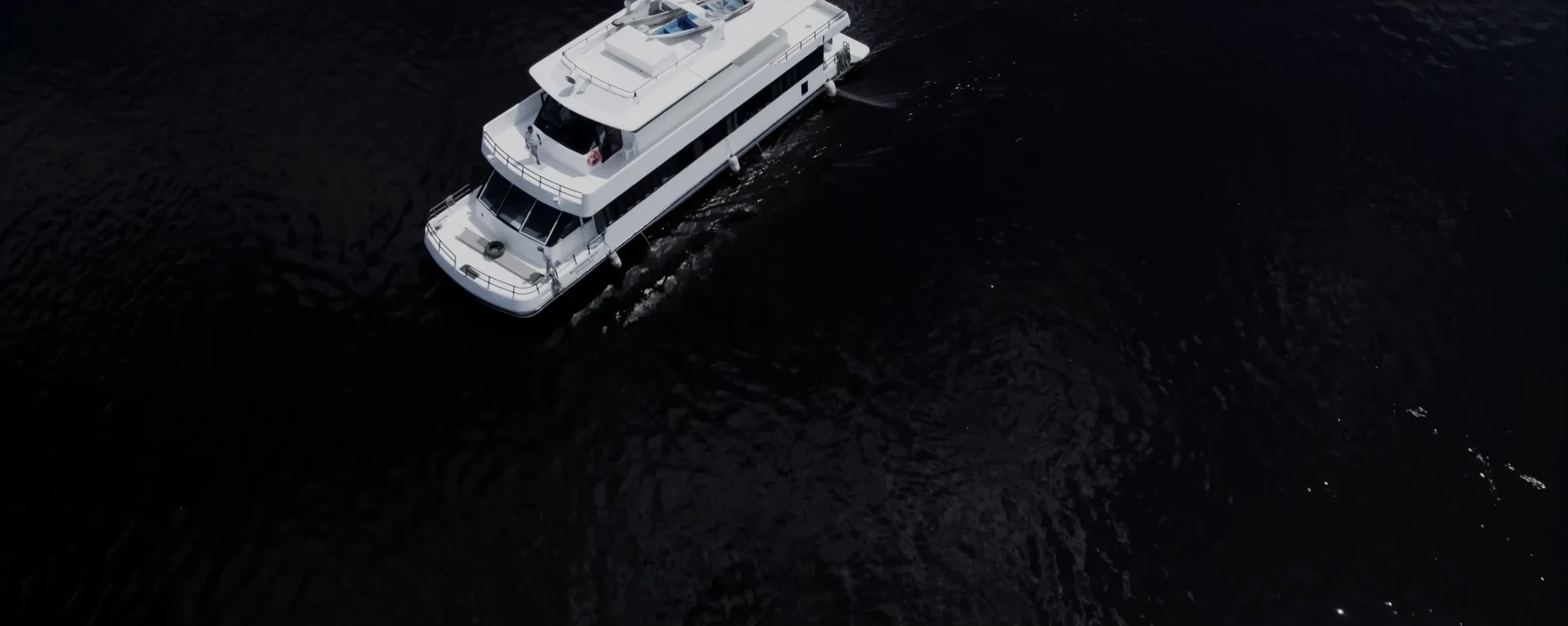
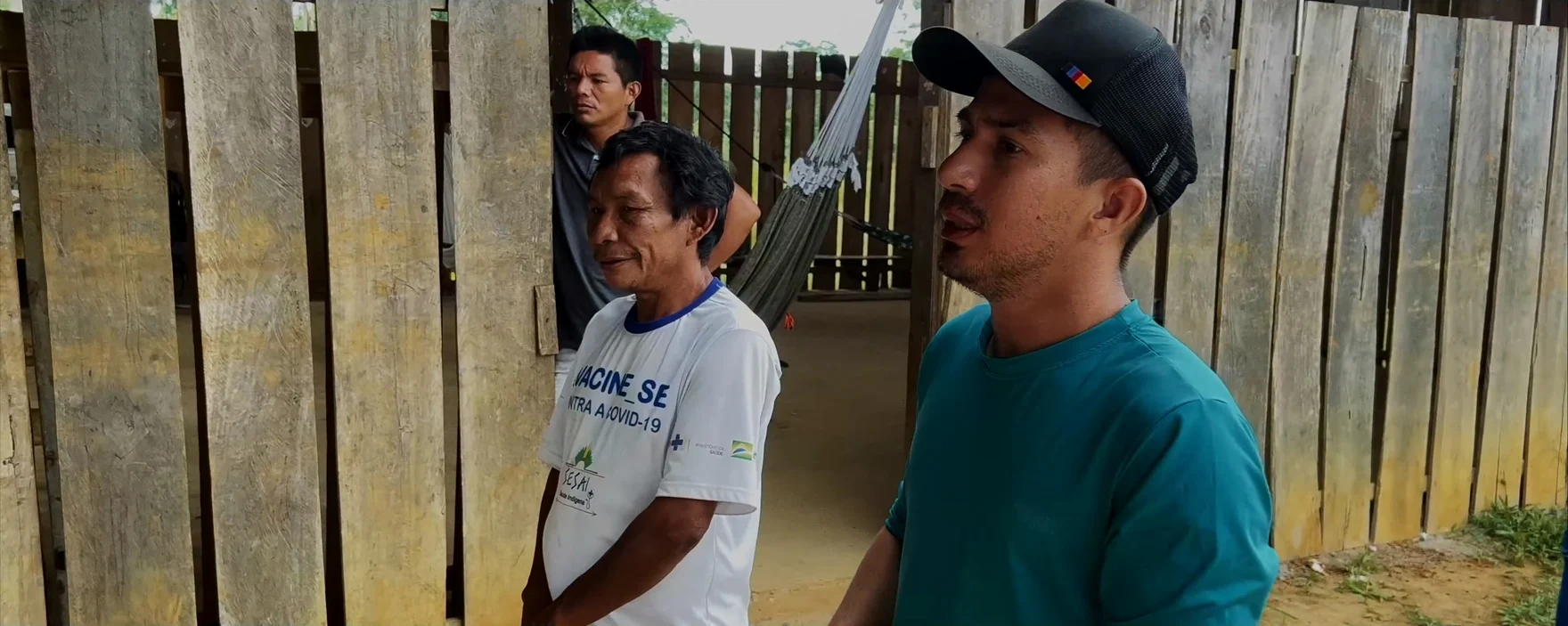
The expedition boat and the team introducing itself in one of the communities. Images from Poranga.
What you receive
Development defines the story, the episode lengths, and the versions that suit the initiative’s audiences.
Main deliverable
Episodes with finished direction, editing, color, and sound, prepared for the viewing channels specified in the project.
Episodes in the typical Doc Reality ESG format.
Before our first conversation
Yes. Research identifies the ESG pillar and the focus that fit the initiative. Poranga takes a social perspective, focusing on access to healthcare.
The film can bring together people who live the reality being documented, teams doing the work, and other voices that help explain the case. Research guides the choice of whom to interview.
The film brings together observed actions, accounts attributed to the people who give them, and records that support the changes shown. Research and follow-up determine which outcomes can be described.
Development considers the initiative, access to people and locations, how long the team can follow the work, and the materials available. These factors guide the episode count and schedule.
Tell us where it takes place, who is involved, and what would be worth following. An initial conversation helps us find the story the documentary can tell.
Talk to i61 contato@i61filmes.com.br